|
Breakthrough Technology for Next-Generation Biofuel Production
Hydrothermal liquefaction (HTL) represents one of the most promising pathways for converting wet biomass into advanced biofuels. This revolutionary thermochemical process operates under moderate temperatures and high pressures to transform diverse organic materials into renewable crude oil, offering unprecedented flexibility and efficiency in sustainable fuel production.
The Science Behind Hydrothermal Liquefaction
HTL technology mimics natural geological processes, converting biomass into bio-crude oil in hours rather than millions of years. Operating at temperatures between 250-550°C and pressures of 5-25 MPa, the process uses water in subcritical or supercritical states as both solvent and reactant, breaking down complex organic molecules into energy-dense liquid fuels.
Unlike conventional biofuel technologies that require dry feedstock, HTL thrives on wet biomass—eliminating the energy-intensive drying processes that plague other conversion methods. This fundamental advantage opens vast new feedstock possibilities, from sewage sludge to food waste, microalgae, and agricultural residues.
Transformative Advantages of HTL Technology
Superior Fuel Quality:
Produces bio-crude with energy density of 33.8-36.9 MJ/kg
Lower oxygen content (5-20 wt%) than pyrolysis oils
Compatible with existing refinery infrastructure for upgrading
Can be refined into diesel, gasoline, or jet fuel
Environmental Performance:
Carbon-neutral fuel production cycle
Emissions as low as 15-18 g CO₂/kWh compared to 955 g/kWh for coal
Reduces waste while generating renewable energy
Processes problematic waste streams like sewage sludge
Economic Efficiency:
Eliminates costly drying requirements
Higher energy recovery than competing technologies
Multiple product streams: bio-crude, syngas, nutrients
Scalable from pilot to commercial operations
HTL Feedstock Applications
Municipal Waste Streams:
Sewage treatment plant sludge (continuous processing proven)
Organic fraction of municipal solid waste
Food processing residues
Agricultural Materials:
Crop residues and straw
Livestock manure
Forestry waste and wood residues
Aquatic Biomass:
Microalgae (especially high-lipid strains)
Macroalgae and seaweed
Aquatic plants
Industrial Byproducts:
Paper mill sludge
Spent mushroom substrate
Brewery and distillery waste
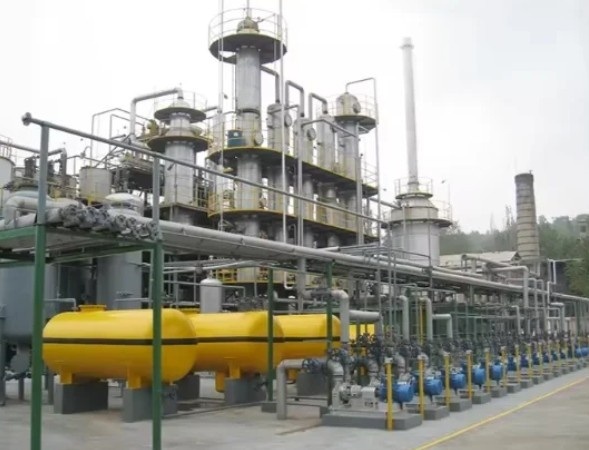
The [HTL Production Process][1]
Feed Preparation:
Wet biomass is pumped as slurry (typically 15-20% solids) without pre-drying, significantly reducing energy inputs and processing costs.
Reaction Phase:
Under controlled temperature and pressure, water's unique properties facilitate biomass decomposition. Catalysts (both homogeneous and heterogeneous) can be added to enhance yield and product quality.
Product Separation:
The process yields four distinct phases:
Bio-crude oil (primary product)
Aqueous phase (containing dissolved organics and nutrients)
Gas phase (primarily CO₂ with energy value)
Solid phase (biochar and minerals)
Upgrading Options:
Bio-crude can be upgraded through:
Hydrotreating to remove heteroatoms
Catalytic cracking for specific fuel fractions
Co-processing in conventional petroleum refineries
Commercial Development Status
HTL technology has advanced from laboratory research to commercial demonstration worldwide:
North America: Licella-Canfor partnership developing pulp residue conversion facilities
Europe: Multiple demonstration plants in Denmark, Netherlands, and UK
Asia-Pacific: Australian facilities demonstrating Cat-HTR™ technology
Companies like Steeper Energy, Licella, and Fortum are pioneering commercial-scale HTL operations, with plants processing thousands of tons of biomass annually.
Integration Opportunities
Wastewater Treatment Plants:
HTL offers dual benefits—waste management and renewable fuel production—making it ideal for integration with municipal wastewater facilities.
Industrial Facilities:
Power plants, refineries, and manufacturing operations can utilize HTL to convert organic waste streams while capturing CO₂ for process use.
Agricultural Operations:
Large-scale farming and food processing facilities can transform organic residues into valuable bio-crude, creating new revenue streams.
Algae Cultivation:
HTL is particularly well-suited for microalgae-based biofuel production, as it processes wet algal biomass directly without costly dewatering.
Technical Considerations for HTL Plants
Critical Design Elements:
High-pressure pumping systems for slurry handling
Corrosion-resistant reactor materials
Heat recovery systems for energy efficiency
Product separation and purification equipment
Water phase treatment and nutrient recovery
|